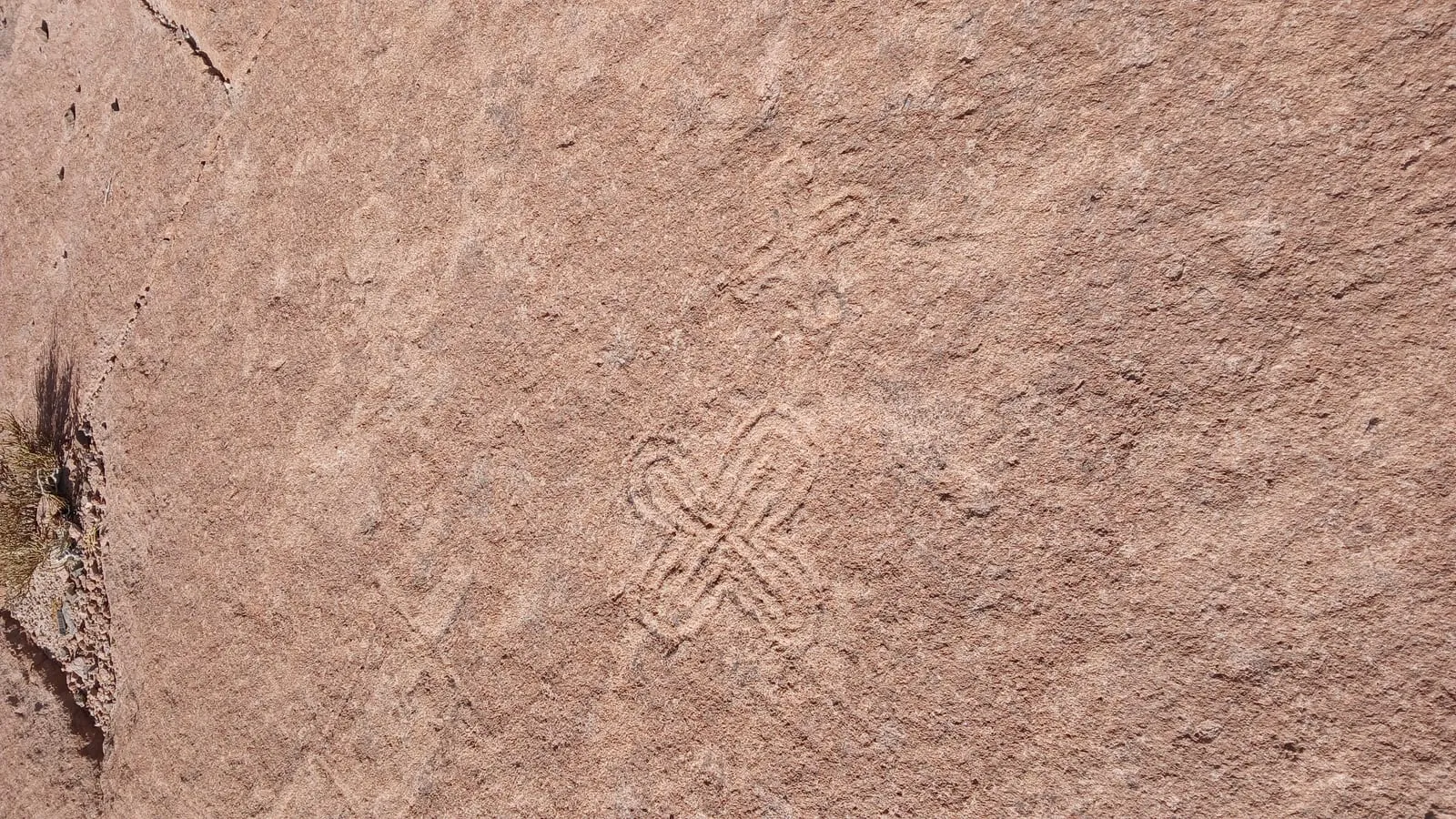
There are places that defy our expectations of what we might find on Earth. Campo de Piedra Pómez, in the Puna of Catamarca, is one of them. A sea of white and grey formations stretches for kilometers, sculpted over millennia by wind and erosion into shapes that resemble abstract sculptures.
The pumice stone that gives the place its name is the result of ancient volcanic eruptions. The expelled material settled in layers that the wind then shaped with infinite patience. The result is a natural labyrinth of towers, arches, and cavities that change color with the time of day: blinding white at noon, golden at sunset, bluish under the moonlight.
The field sits at roughly 3,000 meters above sea level, near the small town of El Peñón, in the department of Antofagasta de la Sierra. Access requires a 4x4 vehicle and some planning, which keeps it well away from mass tourism. Those who arrive often have the landscape entirely to themselves.
Walking among the formations is an intensely sensory experience. The silence is absolute, broken only by the wind. Light bounces off the porous surfaces, creating shadows and textures that shift minute by minute. Photographers find paradise here, but no photograph truly captures the scale and solitude of the place.
Just a few kilometers from Campo de Piedra Pómez lie other equally extraordinary landscapes: the Dunes of Tatón, the Salar de Antofalla, and the high-altitude lagoons where flamingos feed. The Catamarca Puna is a succession of extreme landscapes with no equivalent anywhere else in the country.
We visit Campo de Piedra Pómez as part of our 4x4 Puna experience. This is not a place to rush through: it needs time to explore, to absorb, and to grasp the scale of what nature can create with stone, wind, and millions of years.