
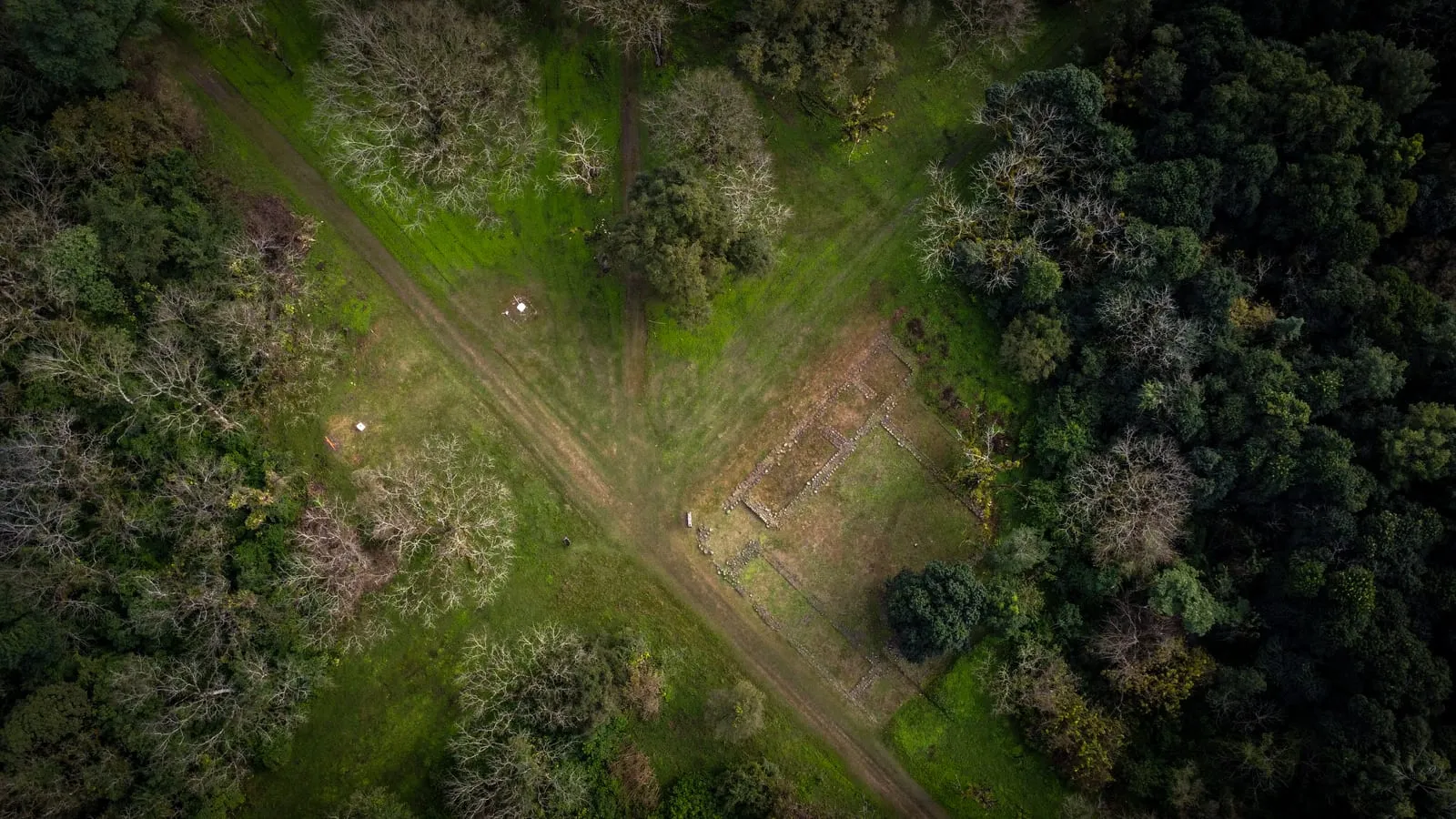
Few people from Tucumán know that their city was founded twice. The first, known as San Miguel de Tucumán del Ibatín, was established in 1565 by Diego de Villarroel at a site very different from the current one: deep in the yungas jungle, near the present-day town of Monteros.
Ibatín functioned as a city for 120 years. It had a cabildo, a church, a central plaza, and a population that grew to exceed 2,000 inhabitants -- Spaniards, criollos, indigenous peoples, and enslaved Africans. It was a key stop on the trade route between Upper Peru and Buenos Aires.
Why was it abandoned? The reasons were many, and they accumulated over time. The hot, humid climate bred tropical diseases. Floods from the Río Pueblo Viejo regularly destroyed crops and structures. Attacks from indigenous groups in the area were frequent. And the location, initially strategic, lost its advantage as trade routes shifted.
In 1685, after years of petitioning the viceroy, the residents of Ibatín received authorization to relocate. The new city was founded on the site where San Miguel de Tucumán stands today: higher ground, drier climate, and better connections.
What remains of Ibatín are ruins swallowed by the jungle. Archaeological excavations have recovered ceramics, tools, building foundations, and everyday objects from colonial life. The site is a unique document for understanding what life was like in a sixteenth-century colonial city.
On our "Colonial Tucumán" excursion, we visit the ruins of Ibatín with historical interpretation. We explain the founding process, daily life, the reasons for abandonment, and how this episode shaped Tucumán's identity.